Weekday opening hour is your best window. The church feels calmer, sightlines are clearer, and you’re less likely to be shoulder-to-shoulder near the railing. By late morning, Belém crowds build fast, so don’t save the tomb for the busiest part of your visit.
Monastery of Jerónimos
4.6(64,931)
Vasco da Gama Tomb Tickets
Included with Monastery of Jerónimos tickets
Timings
Quick overview
- Access: Included in all Jerónimos Monastery tickets
- Separate ticket: Not required
- When you'll see it: Early in the church visit, via the separate Church of Santa Maria de Belém line
- Visit duration: 10–15 mins self-guided/15–20 mins with guide
- Best time: First church entry on a weekday; avoid Sundays and public holidays when Belém is busiest
- Restrictions: Modest dress expected in church. Photography is restricted in some areas, and flash is not allowed inside the church
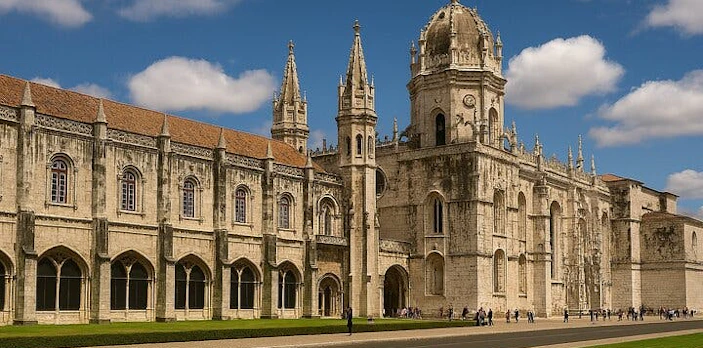
The Vasco da Gama tomb is included with all Jerónimos Monastery tickets. No separate ticket is needed. You’ll find it inside the Church of Santa Maria de Belém on the monastery complex, and if you join the church line first, you’ll reach it early rather than after the cloisters. Book a timed entry, audio guide, or skip-the-line guided tour if you want to see the tomb without spending your best energy in the longest lines.
How to best experience Vasco da Gama's tomb
Best time to visit
How long to spend
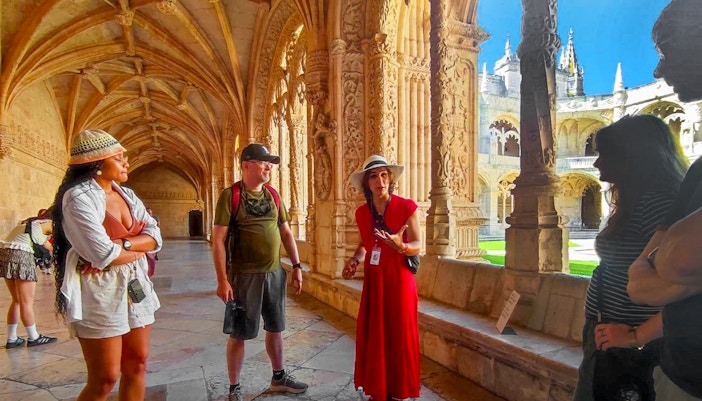
Plan 10–15 minutes if you’re visiting on your own, or 15–20 minutes with a guide or audio guide. That gives you time to study the tomb, compare it with Camões’s tomb opposite, and look up at the vault. If you rush, it becomes a photo stop instead of a meaningful one.
Where it fits in your itinerary
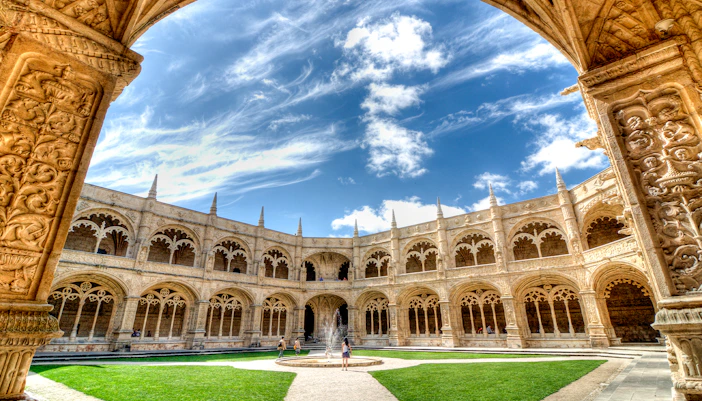
If the tomb is a priority, start with the church before the cloisters. You’ll reach it within minutes of entering, instead of after a longer monastery circuit and a second line. That matters because most visitors feel fresher and more attentive at the start.
Crowd patterns
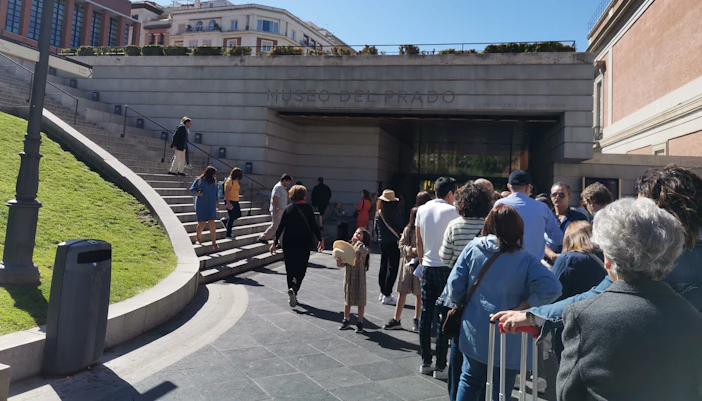
Crowding is driven less by the tomb itself and more by the church line. Late morning through early afternoon is usually the tightest window, especially in peak season and on Sundays or public holidays. If the area is packed, stand back first, then move closer once the group flow shifts.
What to prioritize if time is short
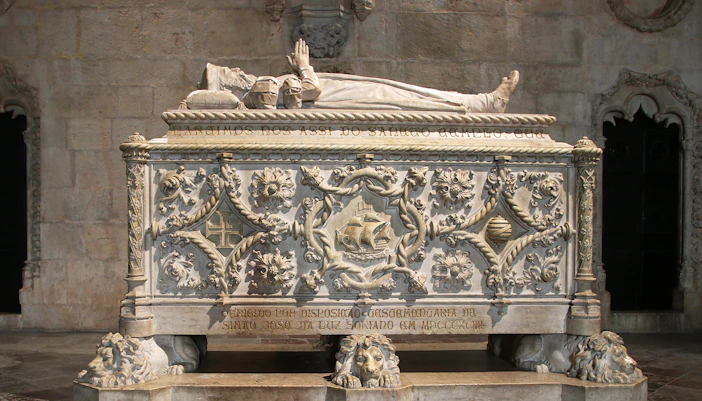
Focus on three things: Vasco da Gama’s tomb, Luís de Camões’s tomb opposite, and the vaulted nave above them. Stand a few steps back to read the two tombs together before moving closer. If time is limited, cut your cloister linger time, not this stop.
Common mistakes to avoid
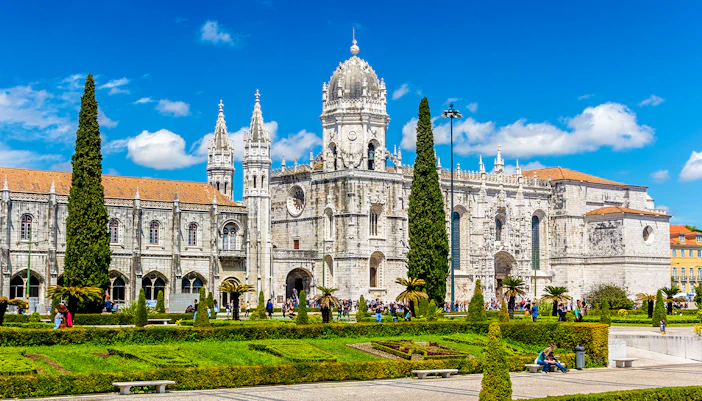
The biggest mistake is assuming the church and monastery share one entry flow. They don’t, so plan for the separate church line. The second mistake is looking only at the sarcophagus up close; step back first, because the surrounding church architecture gives the tomb its full weight.
Best tickets to experience Vasco da Gama's tomb
| Ticket type | Why choose it |
|---|---|
Jerónimos Monastery tickets | Best for flexible pacing if you want to see the tomb, then explore the cloisters on your own schedule. |
Jerónimos Monastery tickets with audio guide | Adds portable context on Vasco da Gama, the church, and the monastery without locking you into a group. |
Jerónimos Monastery skip-the-line guided tour | Best on busy days if you want faster entry and deeper interpretation of the tomb’s maritime and royal context. |
Why it’s worth seeing
What makes this tomb matter is its setting: you’re not looking at a standalone monument, but at Portugal’s most famous explorer placed inside one of the country’s defining sacred spaces. Many visitors don’t realize the tomb is meant to be read in dialogue with Luís de Camões’s tomb opposite it. Once you notice that pairing — explorer and poet, voyage and memory — the church feels less like a stop and more like a national statement.
The tomb: step back before moving in
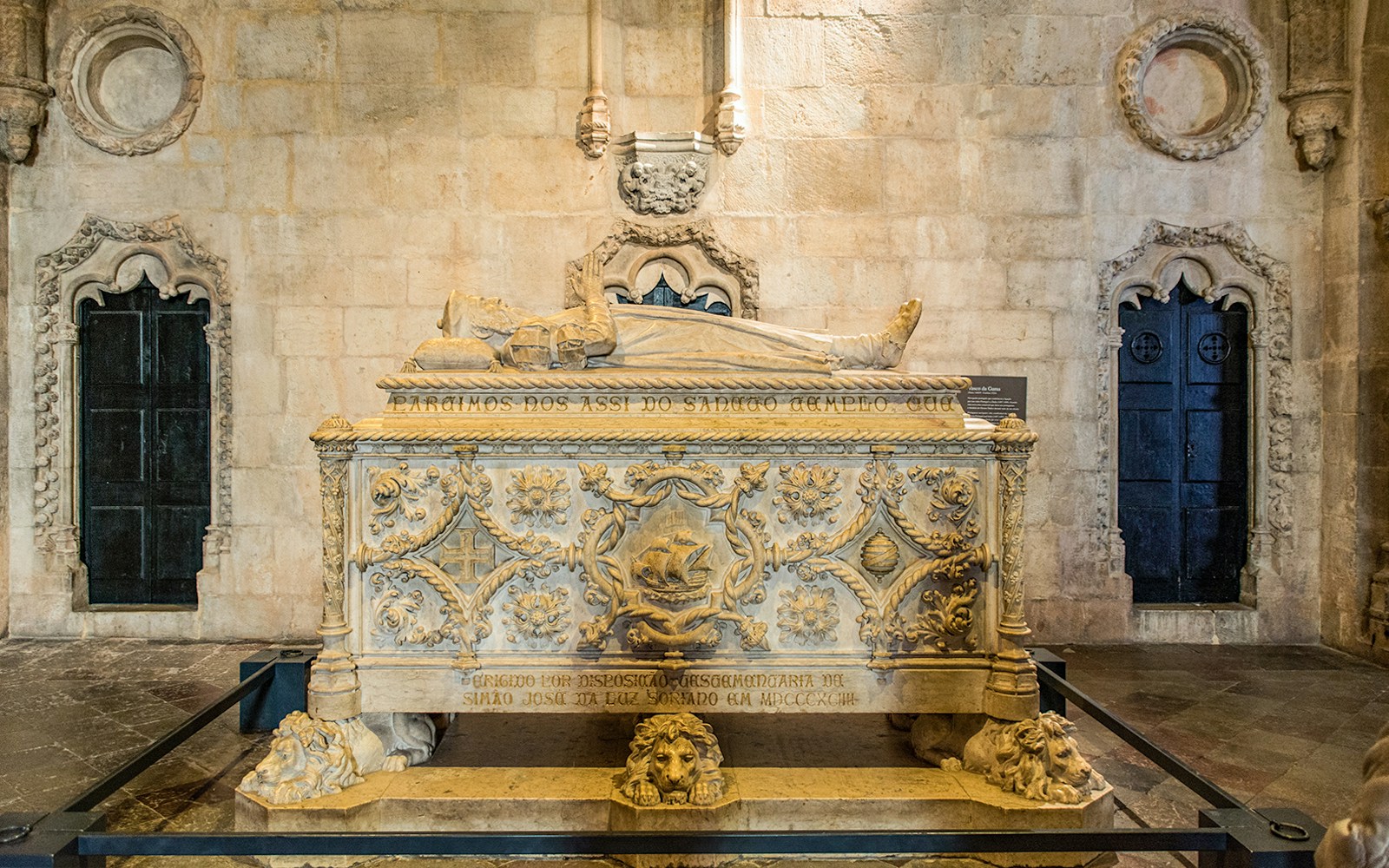
Stand a few paces back from the railing first. From there, the sarcophagus reads as part of the church rather than an isolated object, and the carved surfaces make more visual sense before you move closer for detail.
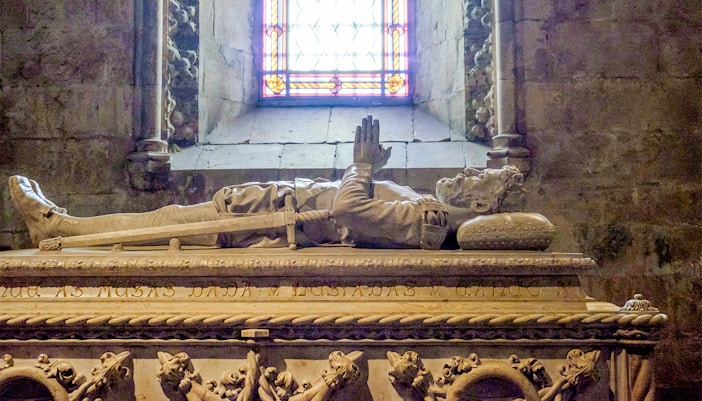
The opposite side: Camões completes the picture
Look directly across the nave to Luís de Camões’s tomb. The two monuments are positioned as a pair, so you understand the explorer through the poet and the poet through the explorer. Don’t study one without the other.
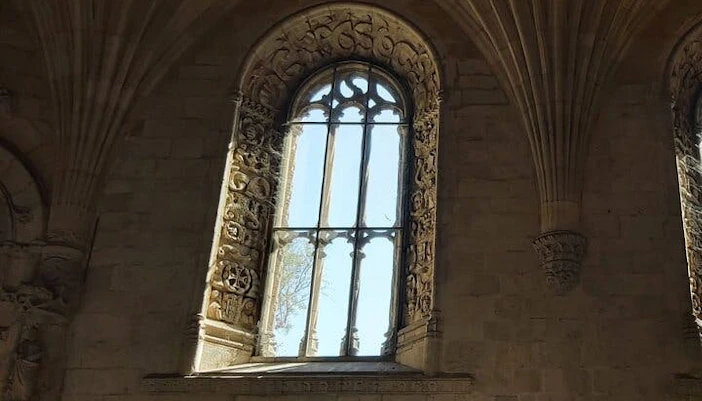
The vault above: look up after the tombs
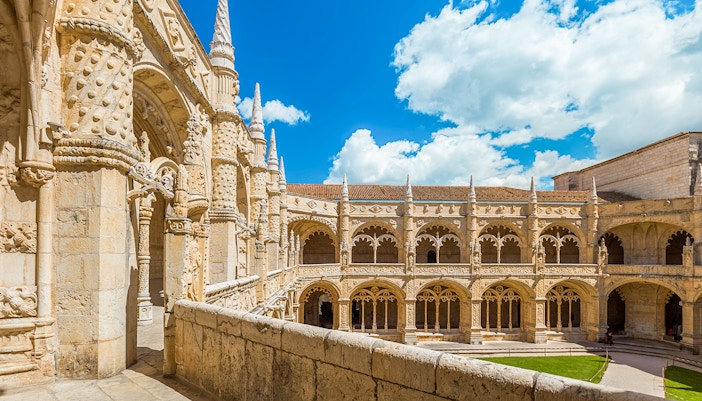
Once you’ve seen both tombs, lift your gaze to the high stone vault above the nave. That upward view explains why this placement works: the tomb sits within a church designed to feel ceremonial, expansive, and unmistakably royal.
Historical & cultural significance
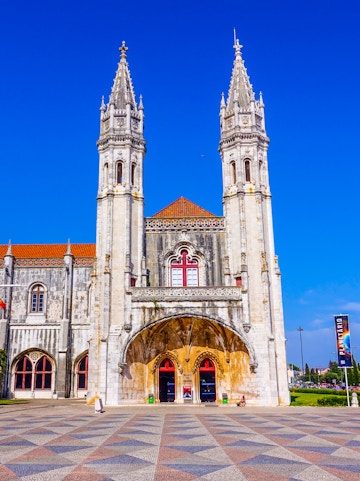
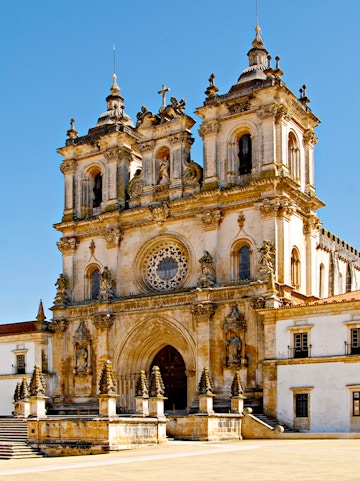
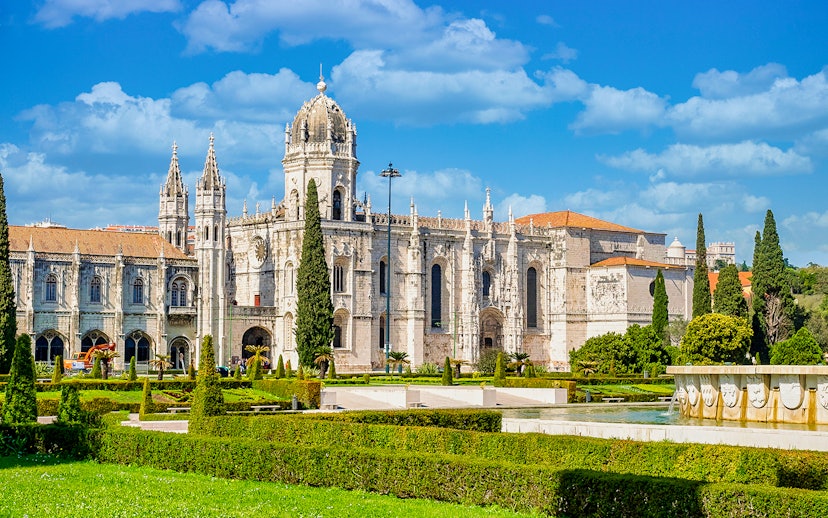
For more than 500 years, Jerónimos Monastery has linked worship, monarchy, and Portugal’s seafaring identity. Vasco da Gama’s tomb matters here because the monastery was founded during the Age of Discovery for the Hieronymite order, whose monks prayed for sailors before departure. Today, the church still functions as a religious space, but it also acts as a national memorial where exploration, faith, and memory meet.
Notable figures
Vasco da Gama | Explorer
Reached India by sea in 1498 and became Portugal’s defining symbol of oceanic expansion.
Manuel I | King of Portugal
Commissioned Jerónimos Monastery at the height of Portugal’s maritime power.
Luís de Camões | Poet
Portugal’s national poet rests opposite Vasco da Gama, shaping the church’s memorial pairing.
Diogo de Boitaca | Architect
One of the key early architects behind Jerónimos Monastery’s Manueline design language.
Know before you go
- Open: The church where the tomb stands generally opens at 9:30am
- Sunday opening: The church typically opens later, around 10:30am
- Close: Church access usually ends at 5pm
- Closed: Monday, January 1, Easter Sunday, May 1, and December 25
- Note: Check the official monument website before visiting, as seasonal schedules and special closures can change
Address: Praça do Império, 1400-206 Lisbon
- Nearest transit: Tram 15E and buses 714 or 727 stop in Belém, a short walk from the entrance
- Train option: Belém station is about a 15–20 minute walk away
- Entry point: The tomb is inside the Church of Santa Maria de Belém, which uses a separate line from the monastery cloisters
- Time to reach it: Once inside the church, you’ll usually reach the tomb within a few minutes
- Wheelchair access: The lower level of the monastery complex is wheelchair accessible
- Surface conditions: Some areas have cobblestones, which can make movement slower and less smooth
- Mobility aids: Wheelchairs are available for rent at the entrance
- Tomb area: The church level is easier to navigate than the upper or more uneven sections
- Audioguide support: Select tickets include a digital audio guide with offline maps and narration
- Required: Dress modestly because the tomb sits inside an active church
- Not recommended: Off-shoulder tops, short dresses, and knee-high shorts
- Best backup: Carry a light layer or scarf if you’re visiting in warm weather
- Applies to: Church access, even if you’re mainly coming for the tomb
- Practical note: Dress expectations are taken more seriously here than in the open-air cloisters
- Photography: Photography is restricted in some parts of the monastery, and flash is not allowed inside the church
- Food and drink: Food and beverages are not allowed inside the venue
- Bags: Large bags and backpacks are not permitted
- Conduct: Keep voices low and be respectful of the church’s religious function
- Touching: Don’t lean over barriers or touch the tomb or surrounding stonework
Frequently asked questions about Vasco da Gama's tomb
Yes. Entry to the tomb is included with every valid Jerónimos Monastery ticket, and no separate tomb ticket exists.
No. Standard entry is enough, while audio guide and guided tour options simply add context and convenience.
No. The tomb sits inside the Church of Santa Maria de Belém on the monastery complex and is reached via the church access line.
Usually within minutes of entering the church. If you start with the cloisters, you’ll still need the separate church line afterward.
Plan 10–15 minutes self-guided or 15–20 minutes with guidance. That’s enough to study both tombs and the nave above.
Yes. Guided tours cover the monastery complex and add maritime and historical context that makes the tomb easier to understand.
Sometimes, but not always. Photography is restricted in some monastery areas, and flash is not allowed inside the church.
Partly. The lower level is accessible, but cobblestones and older surfaces can make parts of the route uneven.
See Luís de Camões’s tomb opposite, then look up at the vaulted nave before heading to the Manueline cloisters.