










Quick overview

  • Pricing: From €38
  • Group size: Standard group sizes
  • Languages: English, Spanish, Portuguese, French, and Italian
  • Access: Skip-the-line guided options available
  • Church: Free, separate entry line
  • Closures: Monday and major holidays

➜ Know more

Why choose a guided tour

Guided tour vs. audio guide

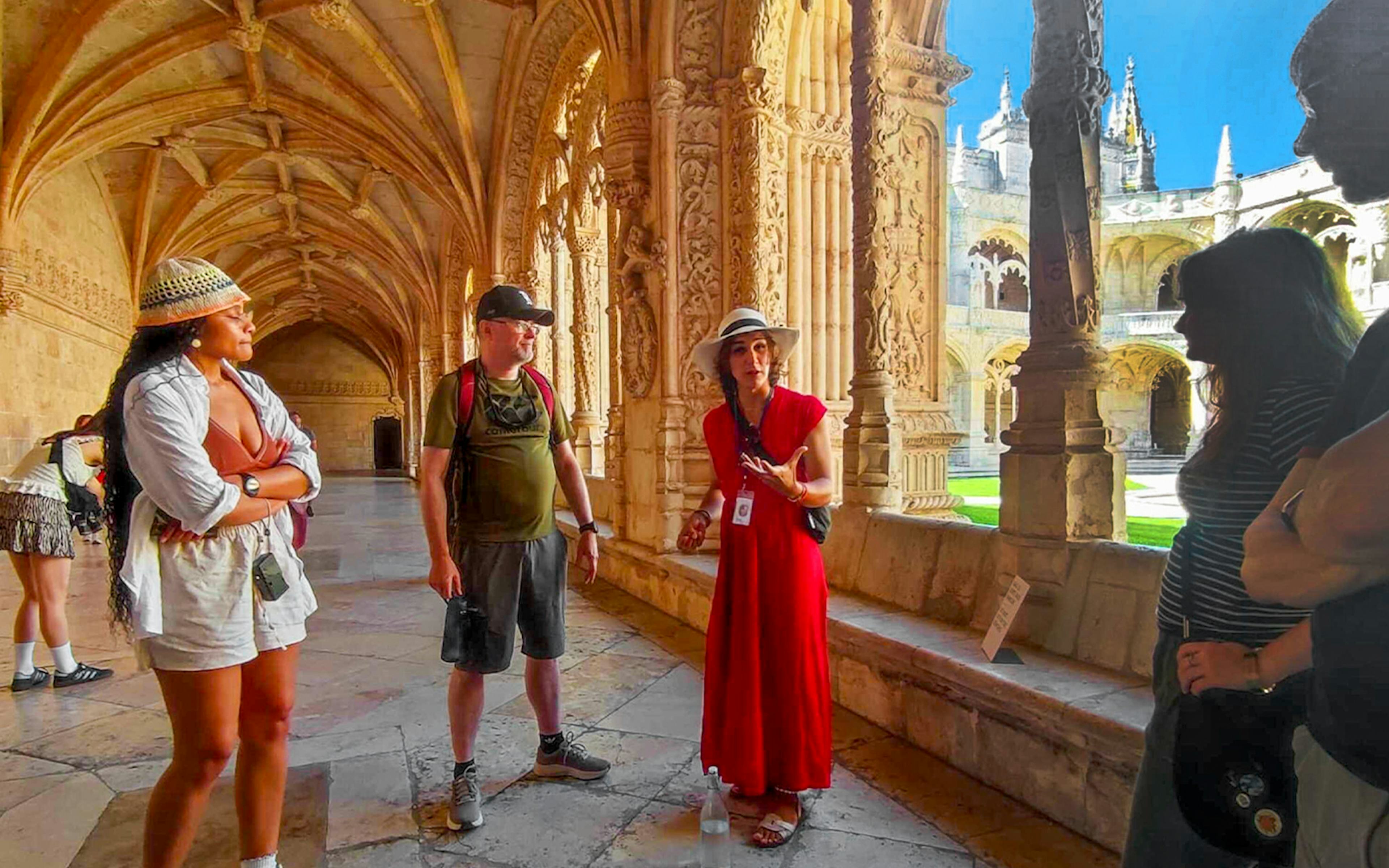
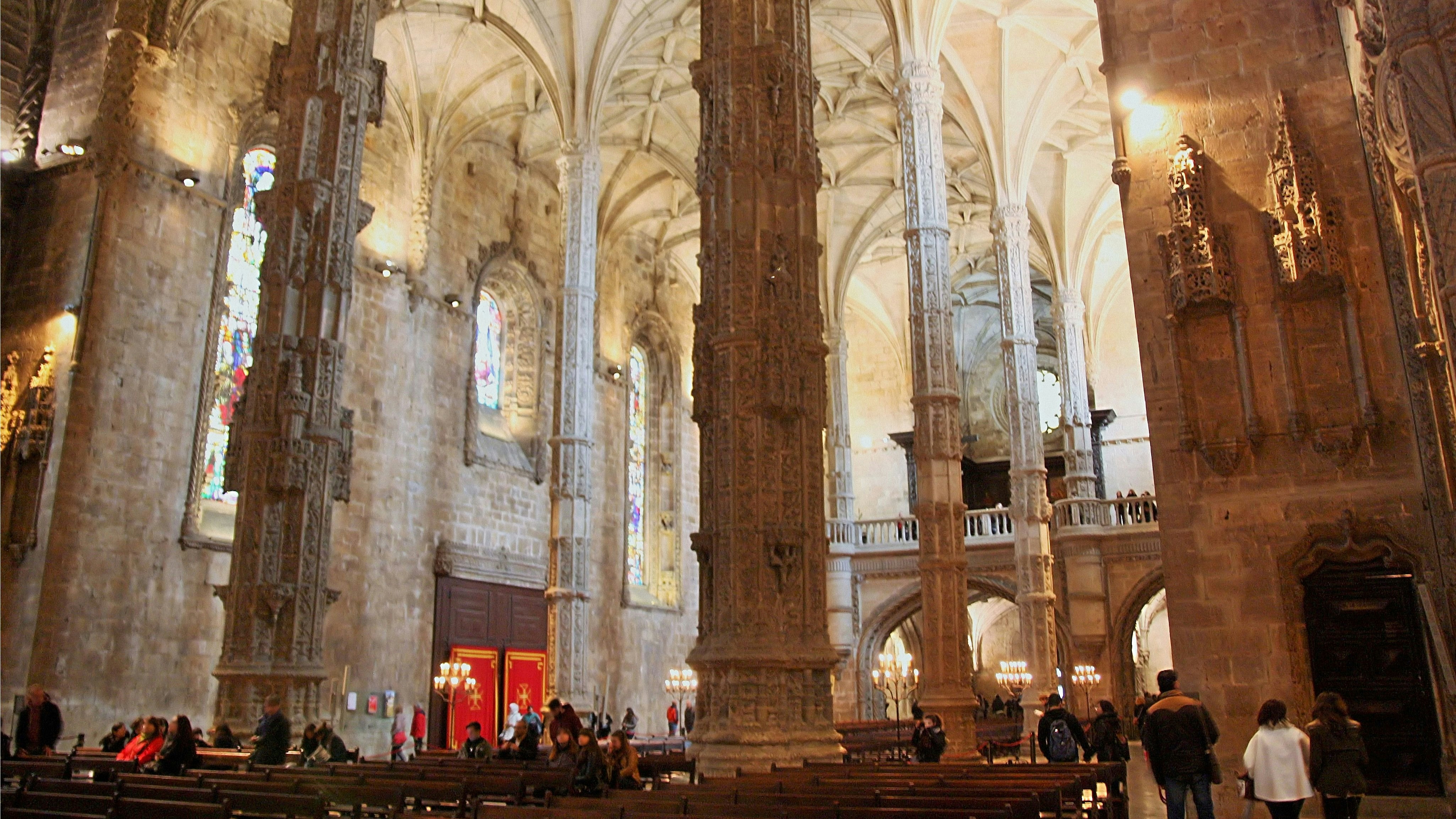
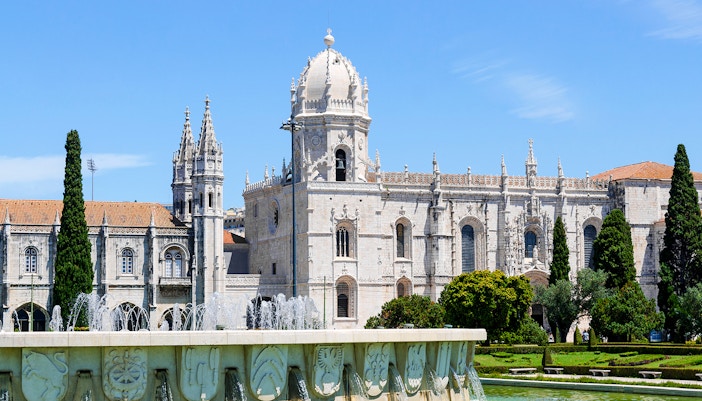
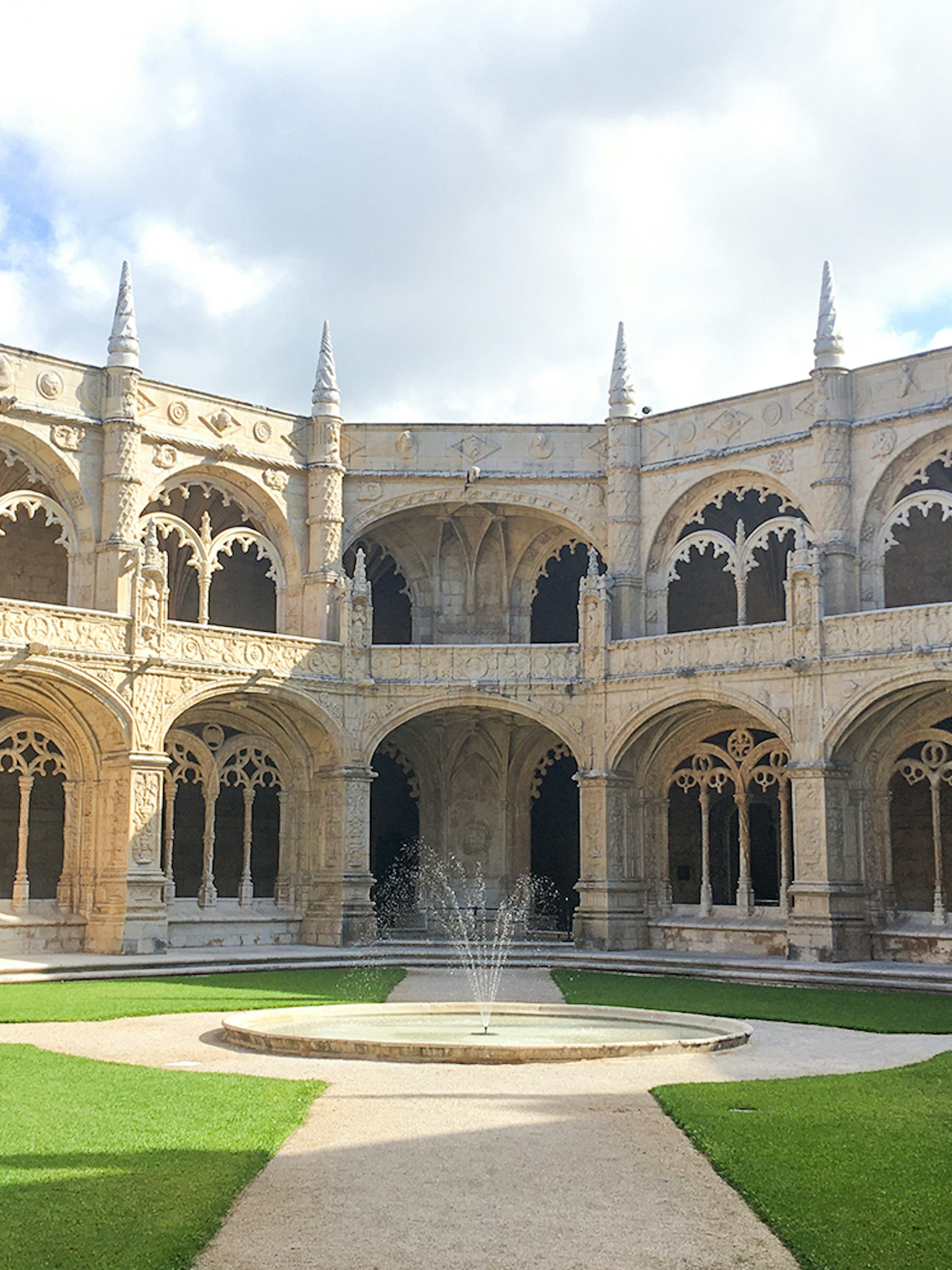
Unlock the secrets of Jerónimos Monastery with two exciting options! With the audio guide tickets, you're the master of your journey. Want to fast-track your adventure? Choose the skip-the-line guided tour and breeze past the lines. Enjoy an exclusive, up-close look at history with engaging tales and insider insights from our expert guides. Perfect for first-timers eager to dive deep into Portugal’s rich heritage.

Which guided tour is best for you

Things to keep in mind when you go on a Jerónimos Monastery tour

  • Water: Useful in Belém, especially in warmer months when temperatures can rise above 25°C (77°F).
  • Hat: Helpful while waiting outside, since entry queues can extend into the open plaza area.
  • Headphones: Needed if you choose an app-based audio guide instead of a live guided format.
  • Photo ID: Bring it if you booked any reduced or concession ticket type.
  • Comfortable shoes: Cobblestones and extended standing matter more here than the walking distance alone.
  • Charged phone: Essential for app-based audio guide options; charging points are not guaranteed on-site.
  • Food and drinks are not allowed inside the monastery.
  • Large bags and backpacks are not permitted on this experience.
  • Photography is restricted in some parts of the monastery, so follow the staff guidance room by room.
  • Keep voices low inside the church and religious areas to respect the site’s active sacred function.
  • Stay within visitor pathways and do not touch carved stonework, tombs, or barriers.
  • Follow the timed-entry process on your ticket, because guided groups cannot delay entry for late arrivals.
  • Recommended: Covered shoulders, longer shorts or pants, and clothing suitable for a religious monument.
  • Not recommended: Off-shoulder tops, short dresses, and knee-high shorts.
  • Best approach: Dress as you would for a church visit, even if your main focus is the cloister and architecture.

➜ Everything about the Jerónimos Monastery dress code

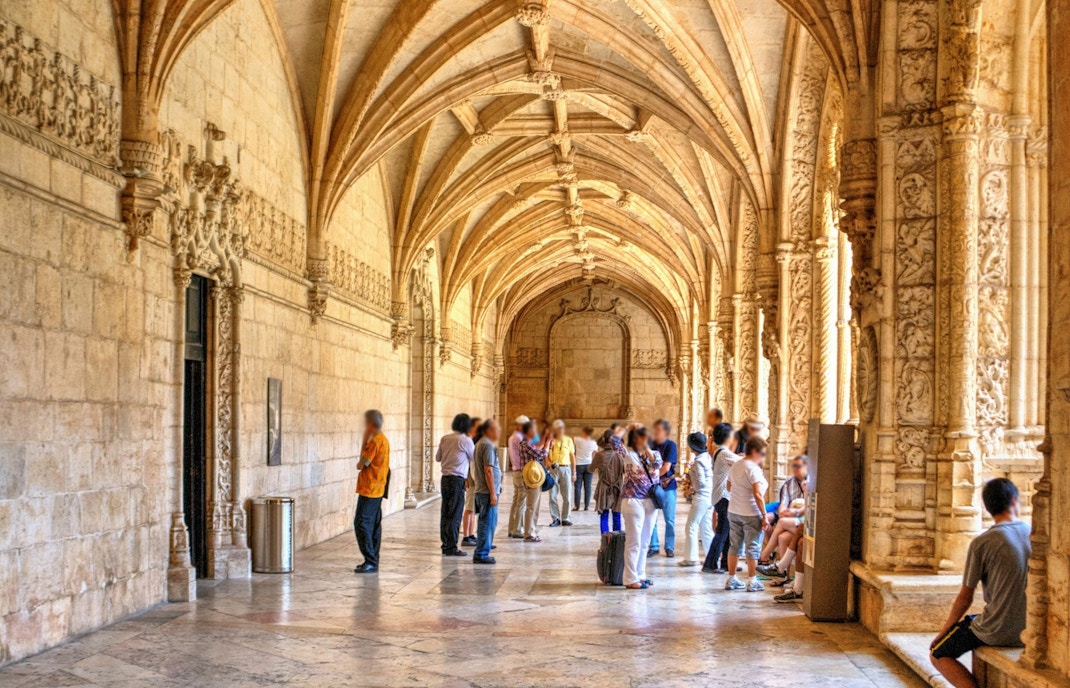
  • Book the first slots of the day: Peak-hour waits can reach 2 hours, and earlier entry usually feels calmer in the cloisters.
  • Avoid Sundays and public holidays if you can: Free entry for Portuguese residents makes those days noticeably busier.
  • Treat the church separately in your plan: It is free, but it has its own entry line, so do not assume monastery access covers it automatically.
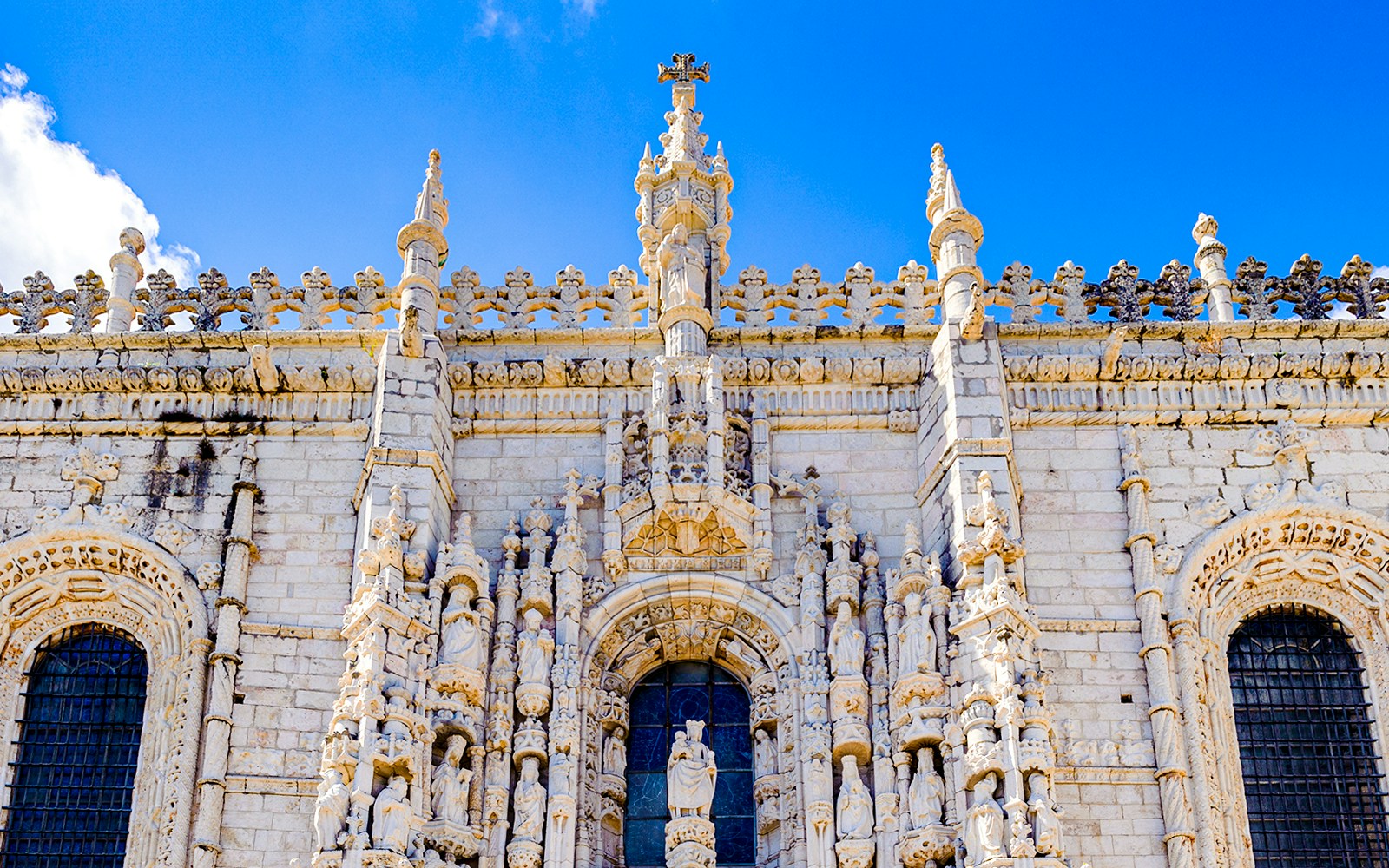
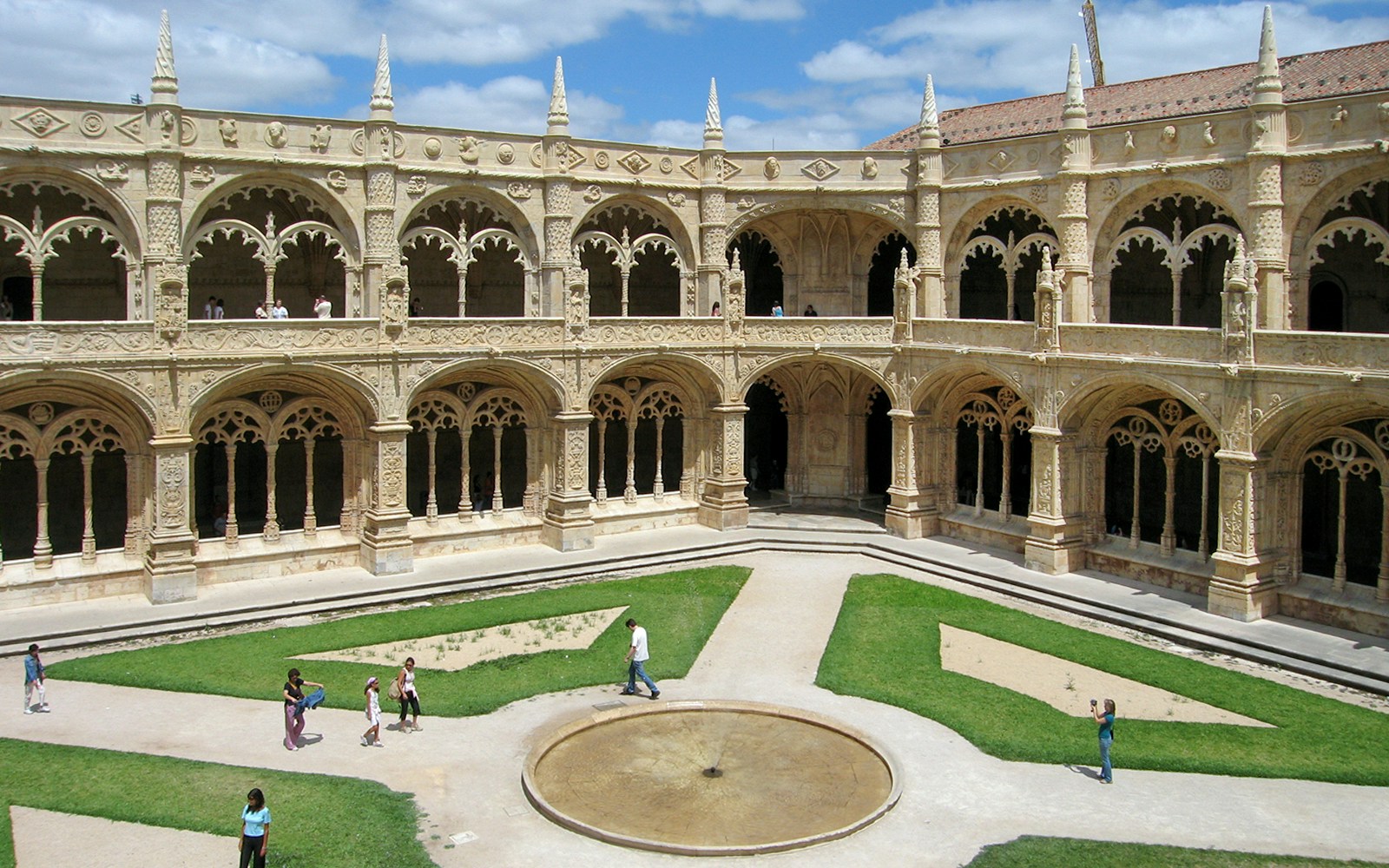
  • Use a guided tour if this is your first visit: Jerónimos is visually rich, but the meaning of its Manueline symbols is easy to miss alone.
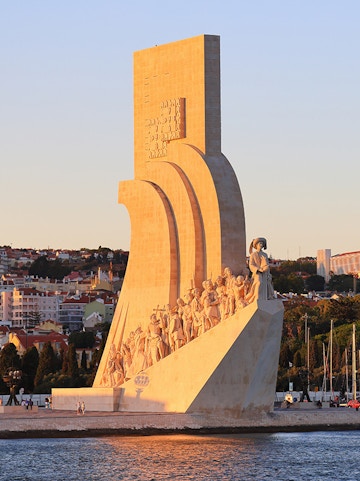
  • Pair the visit with Belém logically: Pastéis de Belém, the riverfront, and the Monument of Discoveries fit naturally before or after the monastery.
  • Do not plan for Monday: The monastery is closed every Monday, as well as on January 1, Easter Sunday, May 1, and December 25.
  • Wheelchair access: The lower level is wheelchair accessible, though some surfaces around the site are cobblestoned.
  • Wheelchair rental: Wheelchairs are available for rent at the entrance.
  • Mobility planning: Expect standing during check-in and timed entry, even on guided formats.
  • Church access: Separate lining for the church can add extra wait time for visitors who need a slower pace.
  • Reduced mobility note: Some areas are only partially accessible, so a full barrier-free route should not be assumed.

Frequently asked questions about Jerónimos Monastery tours

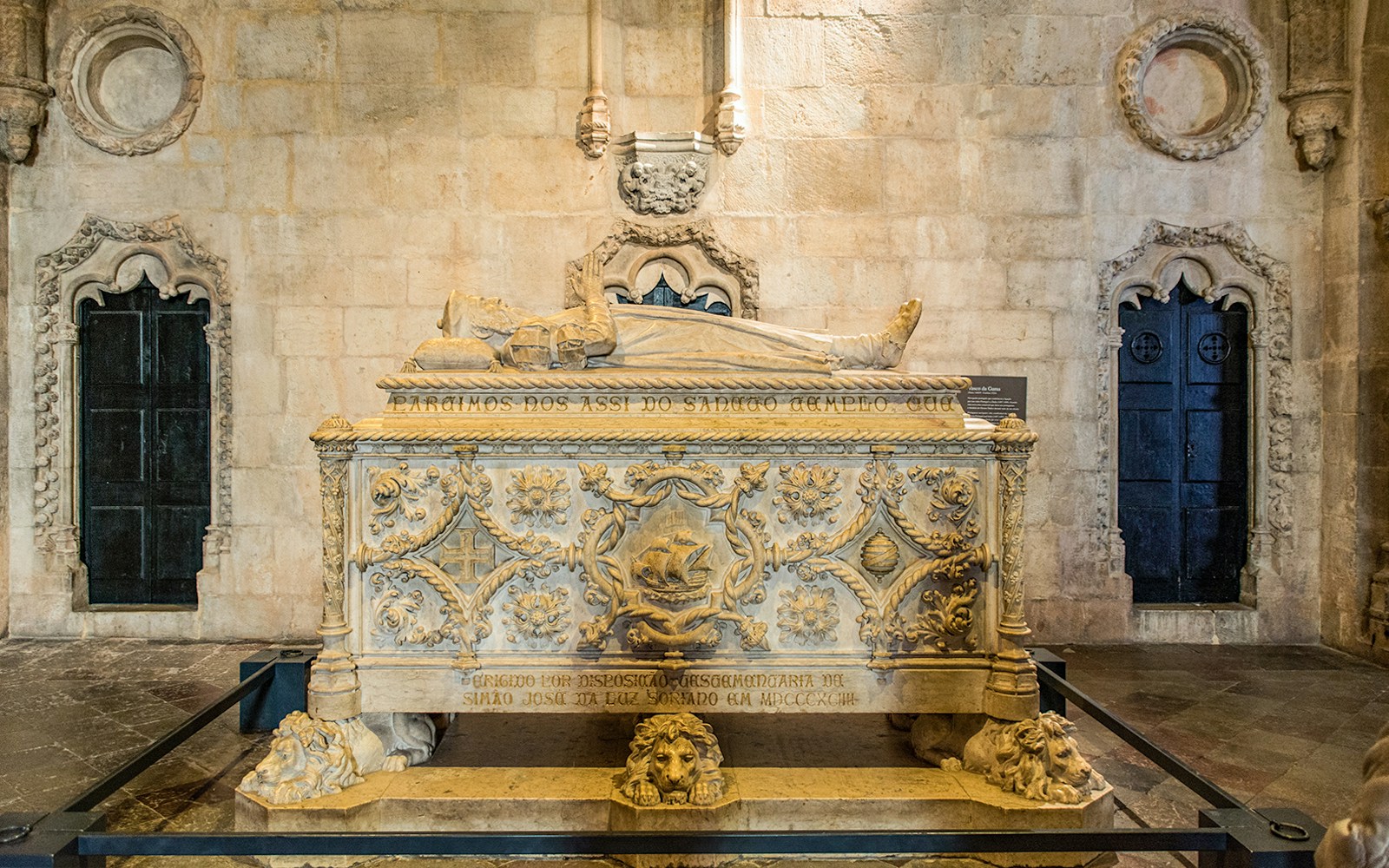
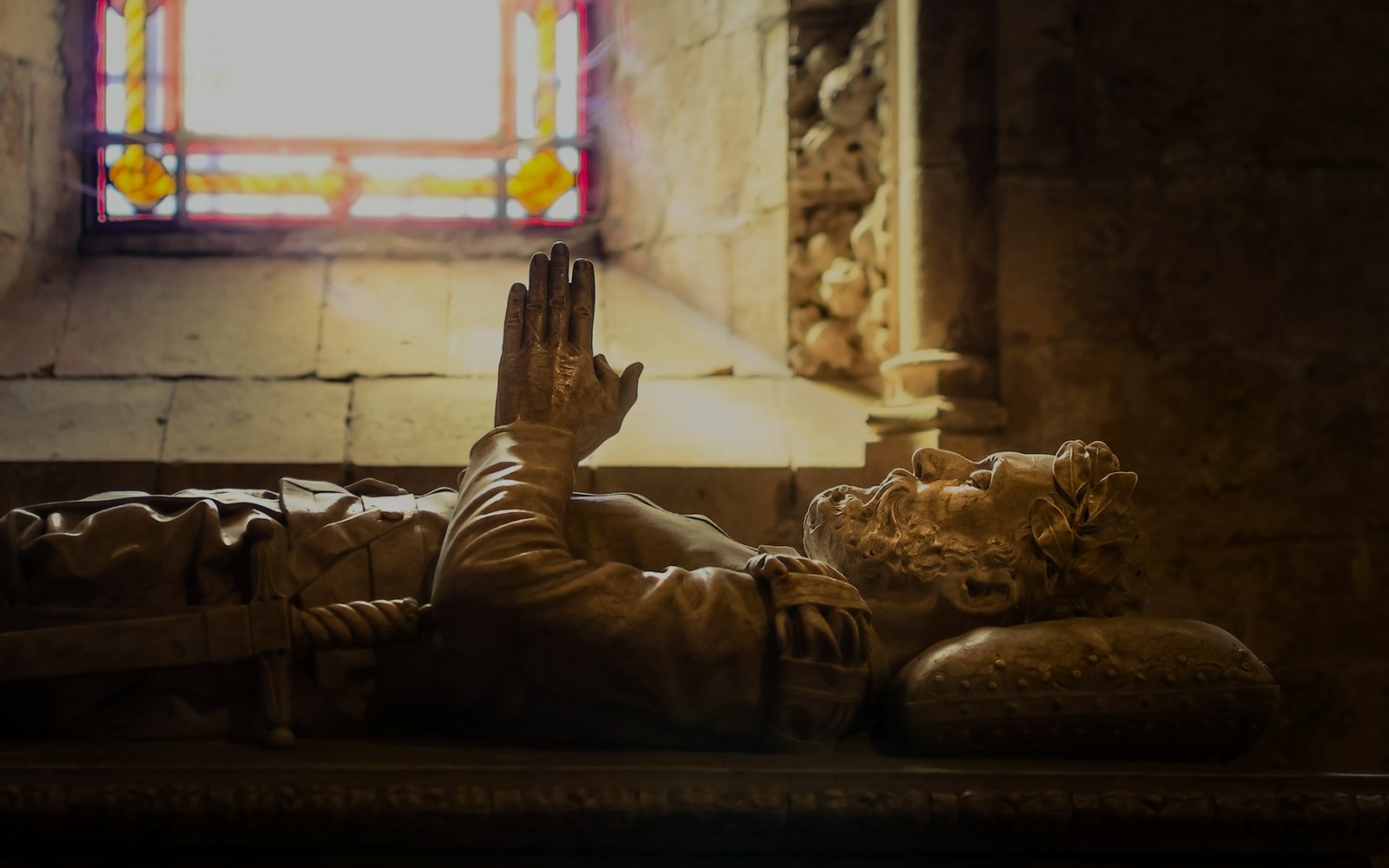
Yes, if you want structure and context quickly. Jerónimos Monastery tickets with audio guide give you freedom to pause and replay, while Jerónimos Monastery skip-the-line guided Tour adds faster entry, a curated route, and live answers about Manueline symbolism, Vasco da Gama, and the monastery’s role in Portugal’s Age of Discovery.

More reads