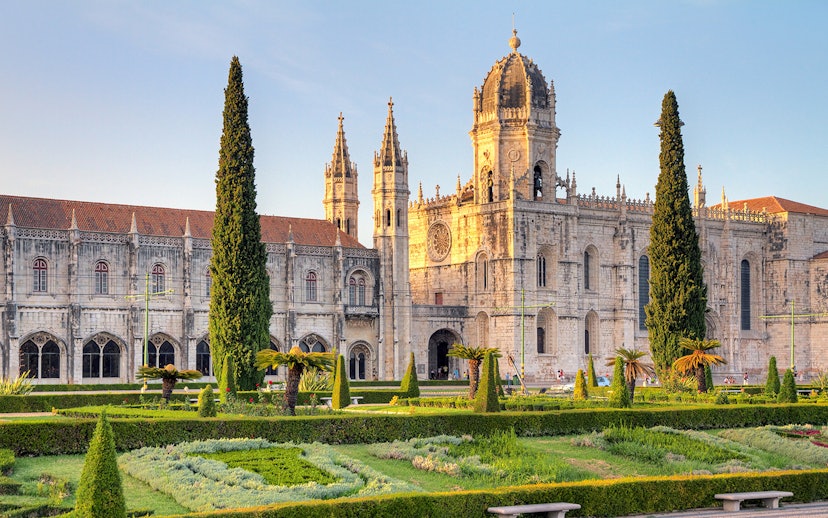
Plan your visit to Jeronimos Monastery
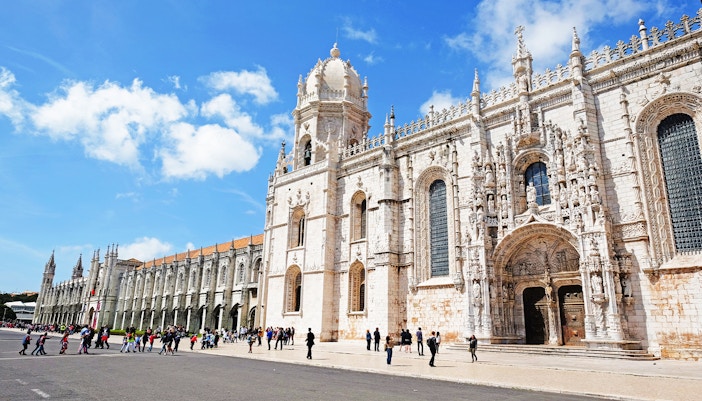
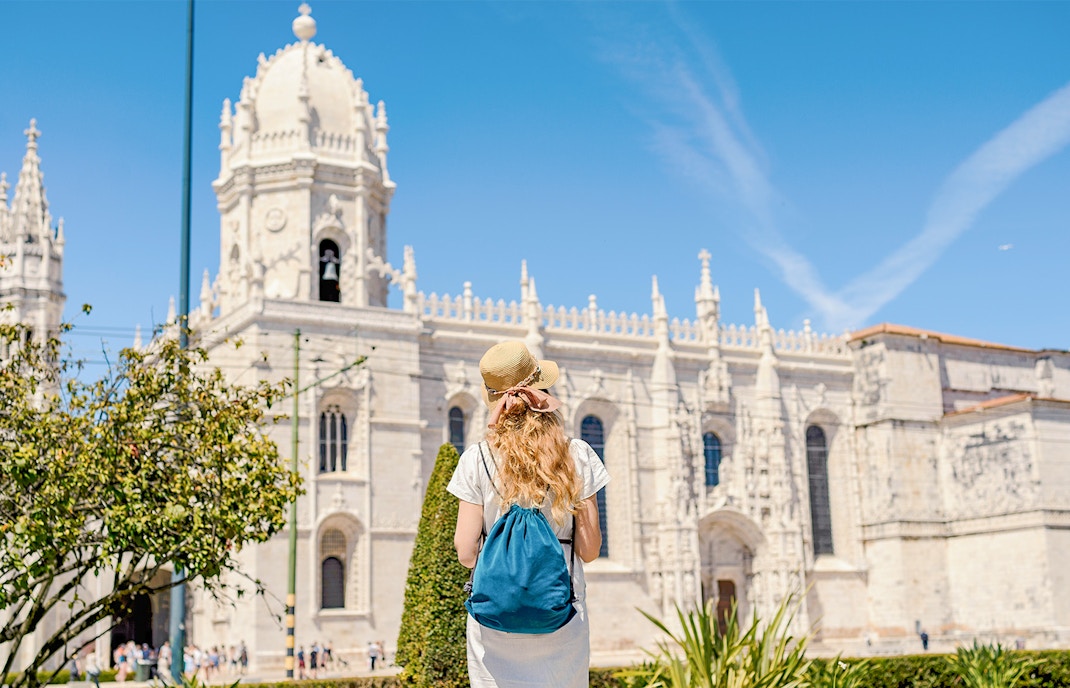
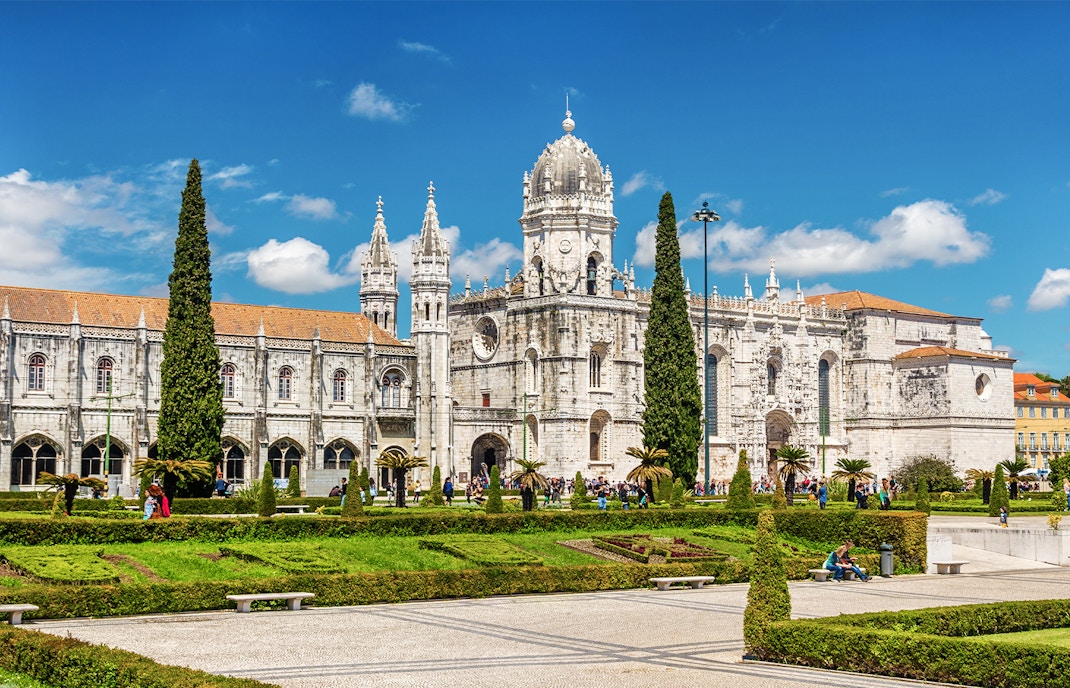
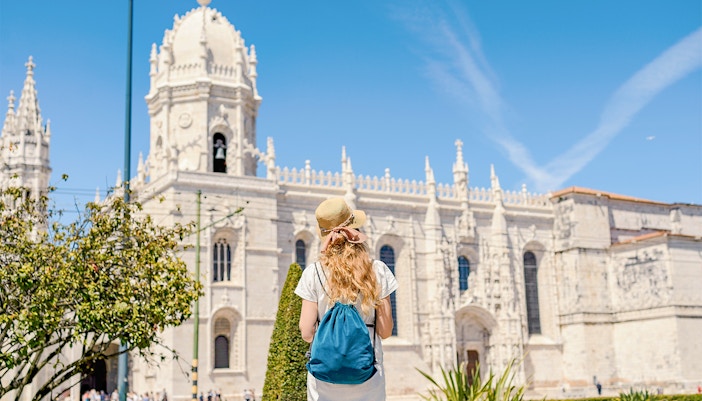
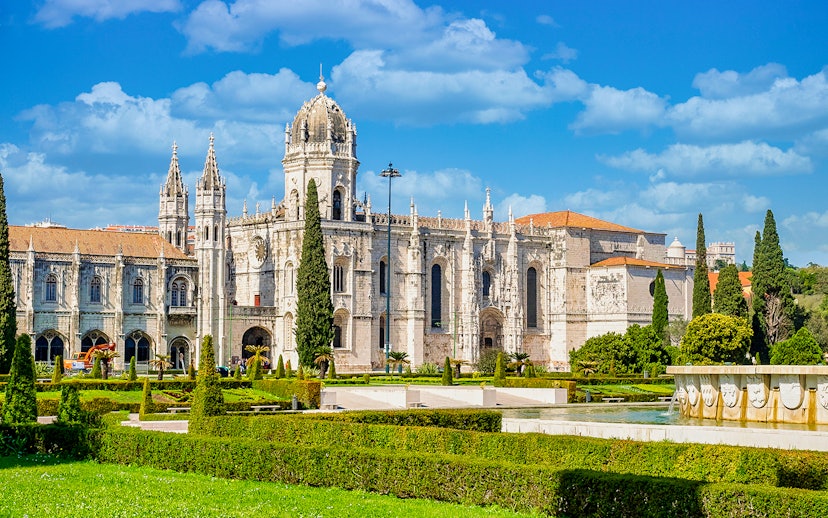
Jerónimos Monastery is Lisbon's most visited historic monument, best known for its Manueline cloisters and deep links to Portugal's Age of Discovery. The visit itself is not hard, but it can feel more crowded and slower-moving than many people expect, especially from late morning onward. The biggest difference between a smooth visit and a frustrating one is timing: the monument is compact, but the lines are not. This guide covers when to go, how to enter, what to prioritize, and which ticket makes the most sense.
Quick overview: Jerónimos Monastery at a glance
If you only read one section before booking, read this one - Jerónimos is easy to enjoy once you plan around the queues.
- When to visit: Tuesday-Sunday, 9:30am-5:30pm from October-April and 9:30am-6:30pm from May-September. The first entry on Wednesday or Thursday is noticeably calmer than 11am-2:30pm, because cruise groups, coach tours, and school visits tend to overlap in that midday window.
- Getting in: From €18 for standard entry . Skip-the-line/guided tour options generally start from about €50. Advance booking matters most in spring and summer, on Tuesdays after the Monday closure, and on Sunday mornings when local free-entry traffic swells the lines.
- How long to allow: 45-60 min works for most visitors. Stretch it to 75-90 min if you also want the free church, the upper level, and time for photos.
- What most people miss: The high choir view into the church and the Refectory are easy to rush past, even though both add context beyond the headline cloister.
- Is a guide worth it? Yes, if you want the symbolism, tombs, and Manueline details explained clearly; otherwise, a good audio guide gives you enough context for less.
Jump to what you need
Where and when to go
Which Jerónimos Monastery ticket is best for you
| Ticket type | What's included | Best for | Price range |
|---|---|---|---|
Jerónimos Monastery Entry Tickets | Timed entry to Jerónimos Monastery + access to the cloisters + church + historic chapels | A self-paced visit where you want the core monument without paying extra for live guiding | From €19 |
Jerónimos Monastery Tickets with Audio Guide | Entry ticket + audio guide in English, French, German, or Spanish + offline text, narration, and maps | A first visit where you want more context but still want the freedom to stop, listen, and move at your own pace | From €23 |
Jerónimos Monastery Skip-the-Line Guided Tour | Skip-the-line entry + expert guide + optional Belém walking tour/pastry tasting/Tagus cruise depending on option | A busy-day visit where the line and sparse on-site explanations would otherwise eat into your time | From €59 |
How do you get around Jerónimos Monastery?
What are the most significant spaces in Jerónimos Monastery?
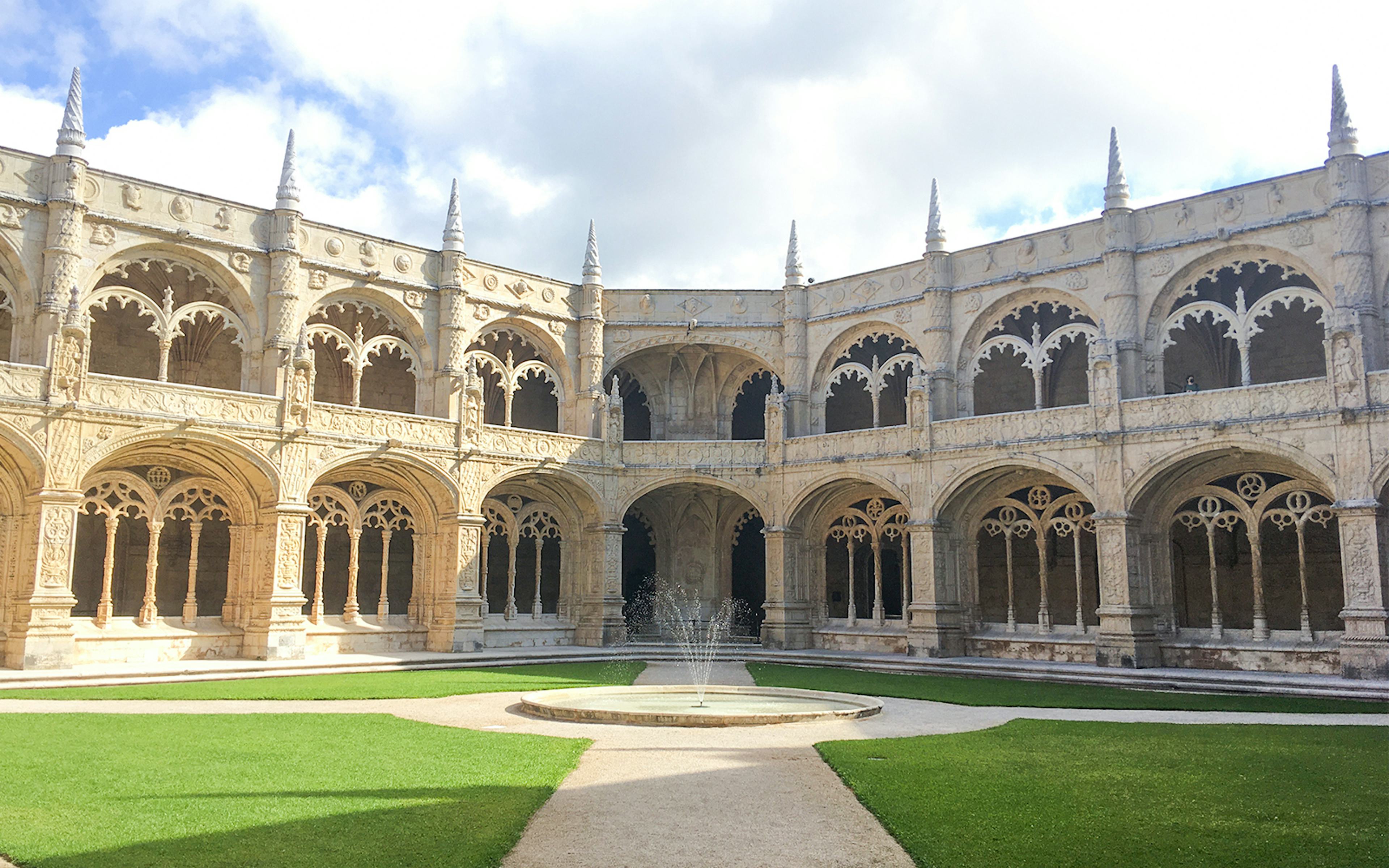
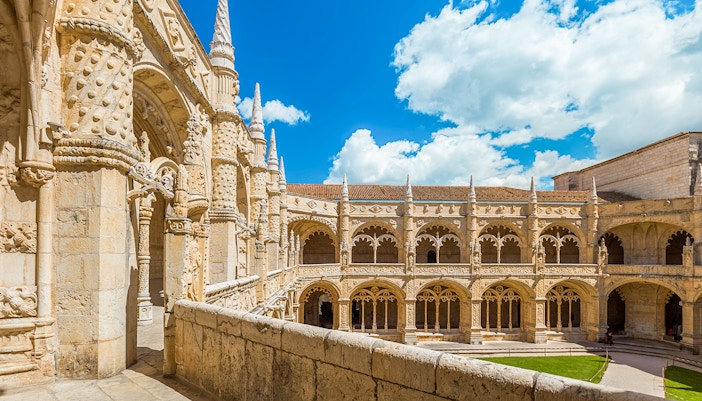
Lower cloister
Type: Manueline cloister
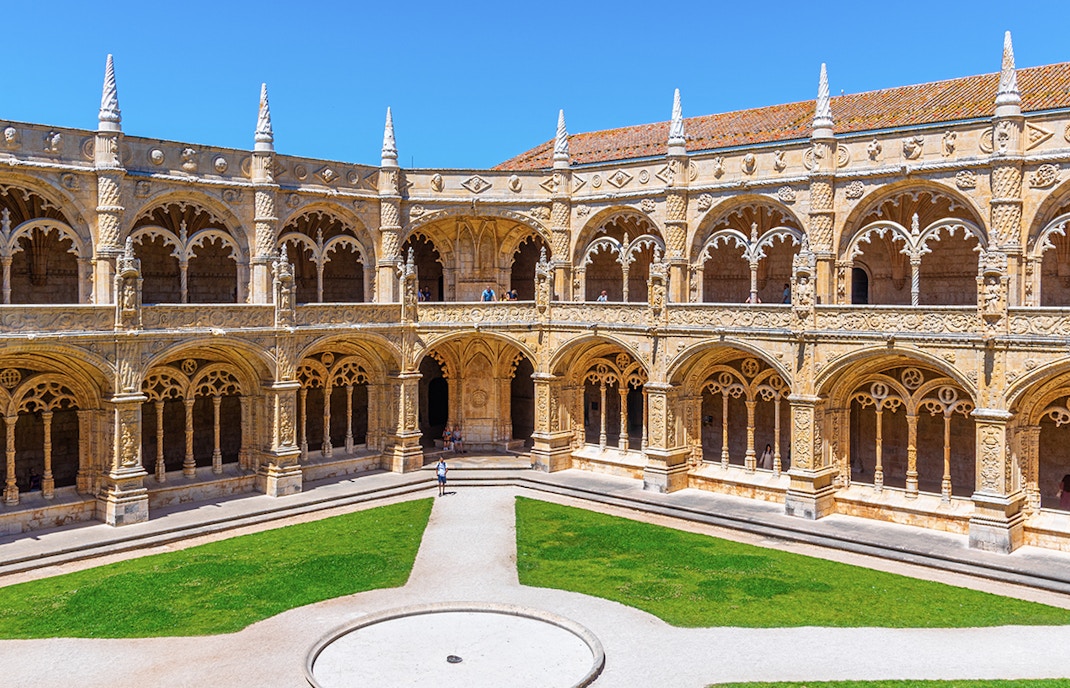
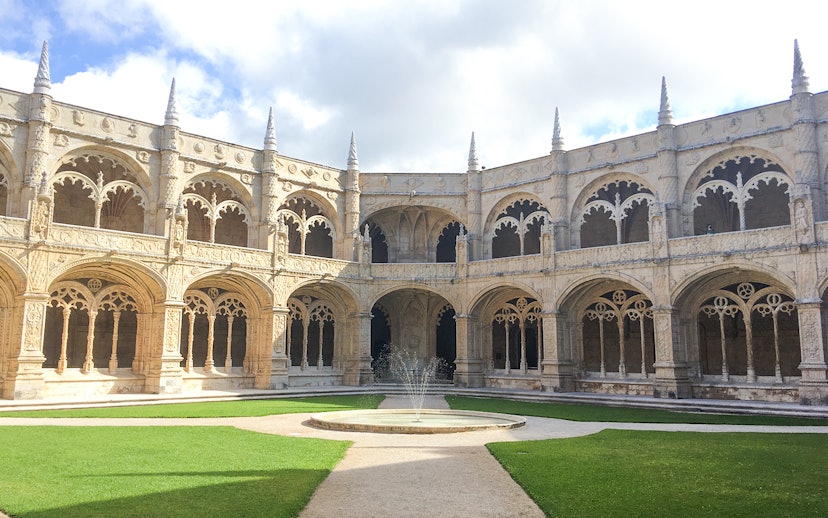
This is the space most people came for, and it earns the hype. The two-storey courtyard is framed by richly carved arches, columns, ropes, botanical motifs, and maritime symbols that reward a slow lap rather than a quick photo stop. Most visitors focus on the center fountain and miss how different each arcade bay feels when you look closely at the stonework.
Where to find it: Immediately beyond the paid monastery entrance, forming the core route of the visit.
Santa Maria de Belém Church
Type: Active monastery church
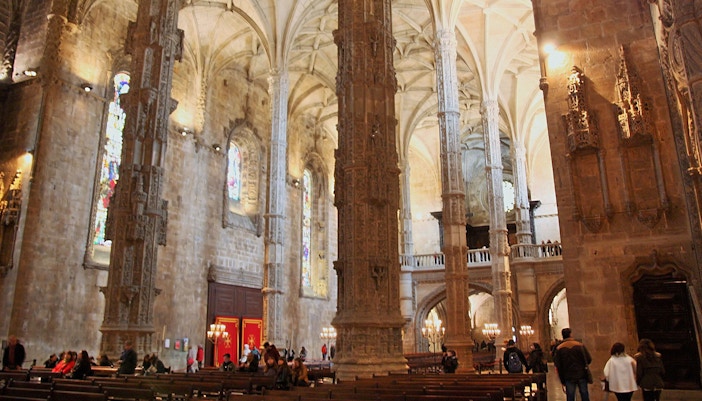
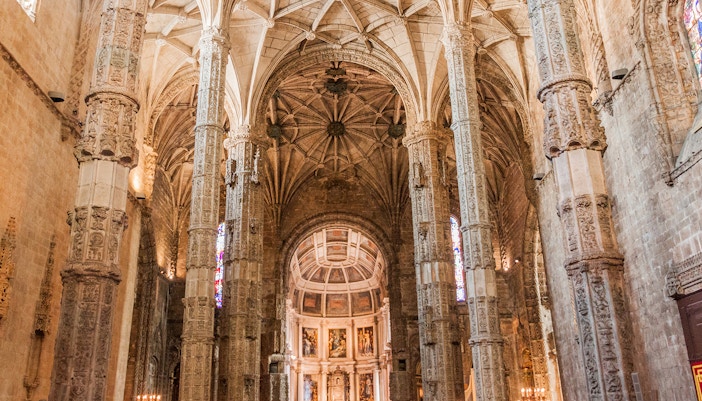
The church is free to enter, but it is not a throwaway add-on - it is one of the most dramatic interiors in Lisbon. The branching columns and wide open nave create the scale that the cloister alone cannot. What many visitors miss is that the church uses a separate queue from the paid monastery, so you need to plan for both rather than assuming one ticketed route covers everything.
Where to find it: Separate entrance within the same complex, accessed from outside the paid cloister route.
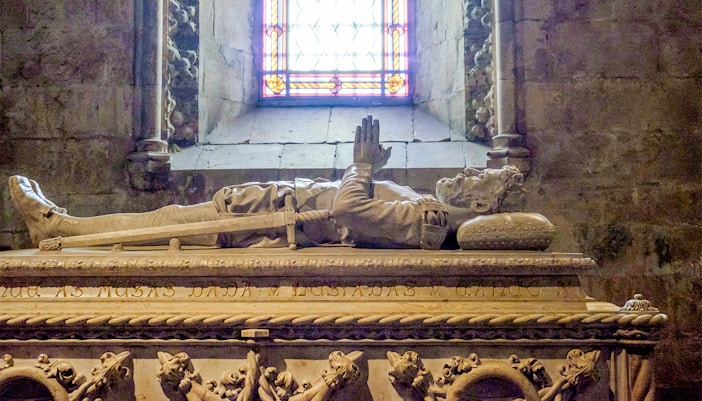
Vasco da Gama's tomb
Type: Explorer's tomb
Even if you are not usually interested in funerary monuments, this one matters. Vasco da Gama's burial site turns the monastery from a beautiful building into a place directly tied to Portugal's maritime history. Many visitors snap a quick photo and move on, but the better move is to pause and take in how close the tomb sits to the threshold, almost as a symbolic welcome into the church.
Where to find it: Inside Santa Maria de Belém Church, near the entrance area of the nave.
Upper cloister
Type: Elevated gallery
The upper level gives you the most complete understanding of the monastery's symmetry. From here, you can look down into the courtyard, appreciate the rhythm of the arches, and escape some of the ground-level bottlenecks. Most visitors rush this level because they think the main view is below, but the upper circuit often delivers the clearest overall photos and the quietest corners.
Where to find it: Reached by stairs from the cloister route after completing part of the lower arcade.
High choir
Type: Church viewing platform
This is one of the easiest wins in the building and one of the easiest to miss. The high choir lets you look back into the church from above, which changes your sense of the scale completely. Because the crowd flow pulls people around the cloister first, many never notice the access point and leave without getting the best interior overview in the complex.
Where to find it: Accessed from the upper cloister, overlooking the church nave.
Refectory
Type: Monastic hall
The Refectory is quieter, smaller, and far less photographed than the cloister, which is exactly why it is worth a few extra minutes. It gives the visit a lived-in dimension by shifting from royal and religious spectacle to the monks' everyday world. Many people skim past it on the way out, missing the azulejo-lined walls and the change in mood from ceremonial to practical.
Where to find it: Off the cloister route on the ground level, after the main courtyard circuit.
Facilities and accessibility
- ♿ Wheelchair loan: Wheelchairs are available for rent at the entrance, which is worth arranging before you join the paid-entry line.
- 🎧 Audio guide support: The audio-guide ticket runs through an app with offline narration and maps, so bring your own headphones and a charged phone.
- 🚪 Separate church access: The free church uses its own entrance and queue, which is useful to know before you decide the order of your visit.
- ♿ Mobility: The lower level is wheelchair accessible and wheelchairs are available at the entrance, but cobblestoned sections and the staircase to the upper cloister mean accessibility is partial rather than complete.
- 👁️ Visual impairments: A standard entry ticket does not include a specialist accessibility tool, but the audio-guide option can add spoken context if you prefer narration over limited on-site text.
- 🧠 Cognitive and sensory needs: The quietest low-stress windows are the first slot of the day and late afternoon, while 11am-2:30pm is the loudest and most crowded period.
- 👨👩👧 Families and strollers: The main lower route is easier than the upper level, but cobbles and crowding can make the visit slower with strollers than the monument's size suggests.
Jerónimos works best for school-age children who can connect the building to explorers, ships, and Lisbon's maritime history, but younger kids usually get more out of the space than the symbolism.
- 🕐 Time: Around 45 min is realistic with young children, and the cloister plus a short church stop is the smartest version of the visit.
- 🏠 Facilities: The easiest family-friendly setup is the lower cloister route, since it is the most open part of the monument and the simplest to navigate.
- 💡 Engagement: Turn the visit into a symbol hunt by asking children to spot ropes, sea creatures, crosses, and royal emblems carved into the stone.
- 🎒 Logistics: Bring water, hats, and a small bag only, because large backpacks are not allowed and summer temperatures often rise above 25 C.
- 📍 After your visit: Pastéis de Belém is a natural post-visit stop nearby if you want an easy reward after a history-heavy hour.
Rules and restrictions
Practical tips
- Booking and arrival: Book online if you are visiting from March through September, and arrive 15-20 min before your timed slot so you are ready for the entry line rather than racing it.
- Pacing: Save your attention for the upper cloister and the high choir, because the lower courtyard gets the most photos while the upper level delivers the better overall perspective.
- Crowd management: Wednesday and Thursday at opening are your safest low-stress bets, while Tuesdays often feel busier than they should because Monday's closure pushes demand forward.
- What to bring or leave behind: Bring a hat, water, and a small bag only - large backpacks are not allowed, and the queue area can feel exposed in warm weather.
- Food and drink: Eat before you enter if you are sensitive to waiting, because there is no food allowed inside and Belém's famous pastry stops are better used as a post-visit reward than a mid-visit detour.
- Church strategy: Do not assume the free church is something you can casually tack on in 5 min, because it has its own line and can add another 15-30 min on busy afternoons.
- Photo strategy: If photos matter to you, go straight to the upper level as soon as you can, because the best clean courtyard angles disappear fastest once the first big groups settle in.
What else is worth visiting nearby?
Eat, shop and stay near Jerónimos Monastery
- On-site: There is no sit-down food stop within the monastery route, so it is better to eat before entry or plan a proper Belém stop after your visit.
- Pastéis de Belém (4 min walk, Rua de Belém 84-92): Lisbon's classic pastry stop, and the most logical reward after a line-heavy monument visit.
- Pão Pão Queijo Queijo (5 min walk, Rua de Belém area): Useful for a quicker, cheaper bite if you want something faster than a pastry-room queue.
- Este Oeste (8 min walk, Centro Cultural de Belém): A better pick if you want a proper sit-down meal instead of a snack-and-go stop.
- 💡 Pro tip: If you have the first monastery slot, do Jerónimos first and eat after - Belém is much more enjoyable once you are not watching the clock on your entry time.
- Not applicable: No verified shopping recommendation is included here beyond general souvenir browsing in Belém.
Belém works well if you want a slower, sightseeing-first Lisbon stay with major monuments within walking distance, but it is not the most convenient base for a short city break focused on nightlife or central Lisbon logistics. You stay here for space, riverside walks, and landmark access - not for being in the middle of everything.
- Price point: The area skews mid-range to upscale, especially close to the river and major museums.
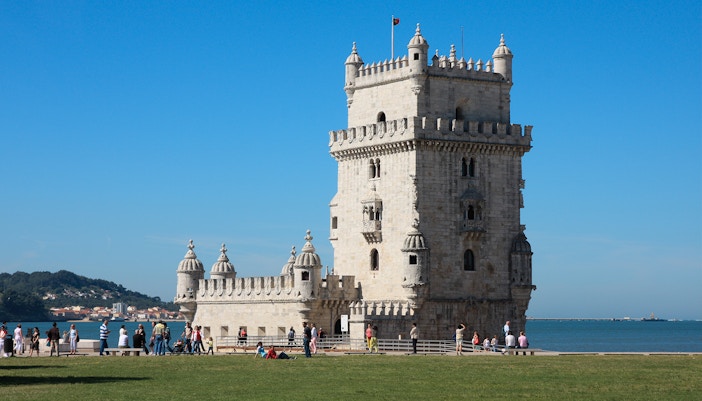
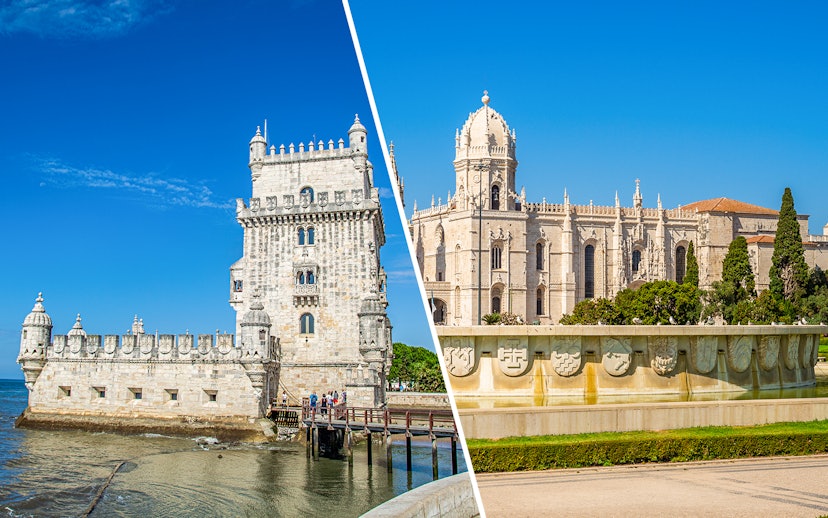
- Best for: Visitors who want to walk to Jerónimos Monastery, Belém Tower, and nearby museums without commuting back and forth.
- Consider instead: Baixa or Chiado make more sense for most first-time stays, while Alfama suits travelers who care more about old-city atmosphere than quick Belém access.
Frequently asked questions about visiting Jerónimos Monastery
Most visitors spend 45-60 min inside the paid monastery route. If you also want the free church, the upper cloister, and time for photos, plan on 75-90 min total before adding any queue time.
Yes, booking in advance is the smarter move for Jerónimos Monastery, especially from spring through summer. It saves you the ticket-purchase line, which can stretch to 60-90 min on busy middays, even though you may still wait briefly at the timed-entry line.
Yes, it is worth it on most days because the biggest time drain here is the ticket queue. A pre-booked timed ticket or guided tour will not make the entry line vanish completely, but it removes the slowest part of the process.
Arrive 15-20 min before your slot so you are ready for the entry line rather than trying to join it late. That matters most around 11am-2:30pm, when the timed-entry queue itself moves more slowly.
You can bring a small bag, but large bags and backpacks are not allowed inside. The easiest approach is to travel light, because this is one of those attractions where a bulky bag creates problems before you even get through the entrance.
Yes, you can take photos in much of the complex, but not everywhere. Some parts of the monastery restrict photography, and flash is not allowed inside the church, so treat the rules as room-specific rather than assuming one blanket policy.
Yes, you can visit with a group, and guided tours are often the easiest way to do it. They are especially useful here because the monument has sparse interpretation on-site and group tours typically manage the entrance more efficiently.
Yes, it can work well for families, but younger children usually get more out of the space than the history. Plan around 45 min, go early, and use the cloister as the main focus rather than expecting a long list of interactive features.
Jerónimos Monastery is partially wheelchair accessible, not fully. The lower level can be managed with wheelchair access and rentals at the entrance, but cobblestoned sections and the staircase to the upper cloister limit how much of the monument is easy to cover.
Food is not allowed inside the monastery, but Belém has plenty of good options within a short walk. Pastéis de Belém is the classic nearby stop, and it makes more sense after your visit than during it.
Yes, you should dress as you would for a religious monument. Shoulders and knees should be covered, and off-shoulder tops, very short dresses, and short shorts are the items most likely to cause trouble at the entrance.
The church is free to enter, but it is not bundled into the paid cloister route in a practical sense because it uses a separate queue. That means you should still budget extra time if you want to do both on the same visit.